What Companies Expect From a Professional Event Photographer (And What You Should Deliver)

Event photographer expectations start the moment a company hires you, but it judges you on what the marketing team can publish the next morning. At Pixel Studio Productions, that standard shapes every shoot. Understanding What Companies Expect From a Professional Event Photographer (And What You Should Deliver) starts with one shift: event photography is not simple documentation, it is real-time asset production for business use.
That distinction matters in Houston, TX, where conferences, leadership meetings, networking receptions, trade shows, and company parties move fast and involve multiple stakeholders. This guide explains what clients actually expect before, during, and after coverage, and what a Houston event photographer needs to deliver to stay useful, rebookable, and easy to trust.
Why Corporate Event Photography in Houston Is Really Marketing Production
Corporate event photography is marketing production under deadline, because the final images must support social media, PR, internal communications, recruiting, sponsor recap needs, and sales enablement. A professional event photographer is valuable when the gallery becomes a set of brand-safe content, not just a record of who attended.
Usable images have four traits: they are on-brand, well lit, correctly framed, and legally cleared for the intended use. That standard matters because a beautiful frame with bad branding, poor exposure, or unclear usage rights can create more work for the client than value.
The three unspoken expectations are speed, coverage strategy, and consistency under pressure. Companies rarely say this cleanly, but they expect same-day selects or next-day delivery, intentional event coverage instead of random candids, and reliable quality in mixed lighting, crowded rooms, and shifting schedules.
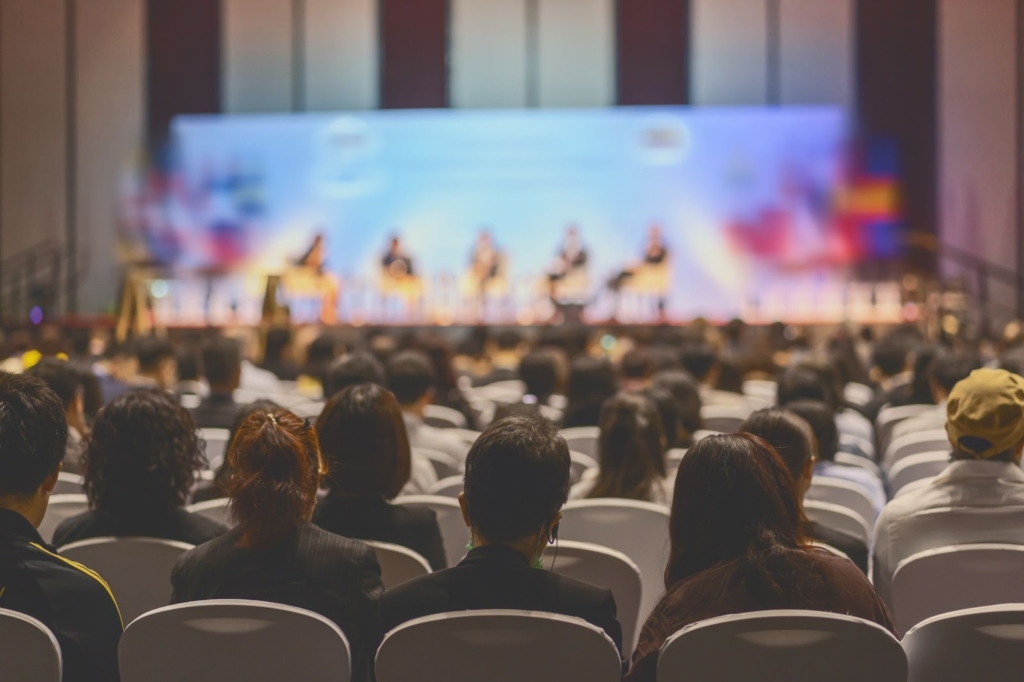
Houston adds scale to that expectation. At the George R. Brown Convention Center, often called GRB, at NRG Park, in Downtown Houston hotels, around The Galleria, and in The Woodlands, conference photography and convention photography often mean multi-day coverage with sponsor-heavy environments, stage lighting challenges, and nonstop movement across large venues.
Pre-Event: What Companies Expect You to Clarify Before You Arrive
The strongest event coverage starts before load-in, because event photographer expectations begin with clear goals and defined outcomes. Unclear direction creates obvious gaps in the final gallery. A corporate event photographer should confirm whether the images are meant for LinkedIn, press outreach, internal recap decks, sponsor deliverables, employer branding, or all of them at once.
Every client also needs a real must-have list, not a vague request to “get a little of everything.” That list should include executives, the VIP list, award recipients, each keynote speaker, sponsor activations, breakout sessions, and any leadership meeting or client-facing moment that cannot be recreated later.
Usage rights and licensing should be settled before the first frame. When a client knows where the images will appear and who approves them, the photographer can shoot with the right composition, privacy awareness, and delivery format in mind.
Shot List That Actually Works for Corporate Teams
A useful shot list is a coverage map, not a wish list. It should account for registration, stage moments, breakout sessions, the expo floor, networking, branded backdrops, step-and-repeat setups, room details, and transitions between each part of the run of show.
Corporate teams also need proof-of-value frames. Packed rooms, active conversations, visible branding, sponsor signage, and attendee interaction show scale and ROI in ways generic portraits never can.
Logistics Checklist for Houston Venues
Houston venues can slow you down if you do not ask the right questions early. Confirm house lighting, stage wash colors, AV restrictions, access to risers or press areas, parking, credentialing, and the direct contact for both the event producer and venue manager.
At GRB, NRG Park, and large Downtown Houston properties, logistics shape coverage quality as much as camera skill. A photographer who understands access points and timing protects the client from missed moments that happen long before the keynote starts.
On-Site Coverage: The Moments Companies Expect You to Capture Every Time
Companies expect a visual story with sequence, because event photography must explain how the day unfolded to people who were not in the room. That means capturing arrivals, networking, programming, sponsor activations, awards, and closing moments in order, so the highlights gallery feels intentional.
Good conference photography balances candid energy with clean marketing frames. Clients need natural interaction, but they also need uncluttered backgrounds, flattering angles, and clear branding that can survive a LinkedIn crop or a PR placement.
Sponsor value is never optional in trade show photography. Logos in context, booth engagement, demos, and step-and-repeat photos prove sponsor participation, which matters because sponsors often help fund the event and expect visible return.
Corporate Must-Haves: Speakers, Executives, and VIPs
Stage-safe images require timing and discipline, which is a core part of event photographer expectations in corporate environments. Sharp eyes, strong expressions, readable screens, controlled white balance, and minimal mic-shadow issues separate usable speaker images from frames the client will never publish.
Leadership moments carry outsized value in corporate event photography because they support internal trust and external positioning. Handshakes, panel interactions, awards, and audience reactions often become the images used in recap pages, investor updates, and recruiting posts.
Trade Shows and Conventions: How to Show Scale and Energy
Convention photography should show both size and human connection. Wide establishing shots prove attendance and production value, while tight interaction shots show that the expo floor was active rather than decorative.
A skilled conference photographer moves without disrupting traffic or sales conversations. That matters at busy booths, because the best trade show photography documents momentum while staying invisible enough to preserve it.
Brand Safety and Professionalism: What “Usable” Really Means
Brand-safe content protects the client from embarrassment and rework. That means avoiding awkward expressions, messy plates, empty rooms, bad hand positions, and frames that make a polished event look disorganized.
Privacy matters just as much as aesthetics. Name badges, laptop screens, confidential slides, alcohol service, minors, and medical or regulated contexts all require judgment, because one careless image can become a compliance problem instead of a marketing asset.
Consistency is another mark of professionalism. In rooms with mixed lighting, stage lighting, and changing color temperatures, steady exposure and color consistency make a full gallery feel credible rather than chaotic.
Composition Rules That Make Photos Instantly Shareable
Composition should anticipate how marketing teams actually use images. Leave negative space for text overlays and crops, keep verticals straight, and frame branding intentionally so logos read clearly without looking forced.
This is where business event photography differs from casual event shooting. A clean composition can turn one frame into a website banner, LinkedIn post, sponsor recap image, and internal slide without additional design rescue.
Crowd and Privacy Awareness in Corporate Spaces
Corporate spaces require discretion, especially during networking groups and private conversations. If a frame exposes sensitive information or makes people look trapped, it is not professional, even if it is technically sharp.
The best photographers know when to ask, when to step back, and how to work quietly. That judgment builds trust faster than any gear list.
Speed: Turnaround Standards Houston Corporate Clients Expect
Turnaround time shapes perceived value almost as much as image quality, and fast delivery is a core part of event photographer expectations. If the client cannot publish while the event is still relevant, even strong event photography loses business impact.
Set a delivery ladder before the event starts: same-day selects, next-day delivery for highlights, and a full gallery within an agreed window. That structure helps marketing teams plan posts, sponsor recap emails, and PR outreach without chasing the photographer.
Workflow discipline makes speed possible. In-camera consistency, efficient culling, batch edits, and predictable file naming reduce delays and make the final package easier to use immediately.
Same-Day Selects Workflow (Without Sacrificing Quality)
A smart target for same-day selects is a hero set of 20 to 40 images. That set should cover speakers, branding, sponsor activations, networking, and room energy, because clients need instant variety, not forty versions of the same podium shot.
Use tight selection criteria: expression, story value, brand visibility, and technical cleanliness. Fast delivery only helps when the images still look intentional.
File Delivery That Makes You Easy to Work With
Delivery should remove friction for busy teams. Separate folders for highlights, speakers, sponsors, and attendees make the gallery searchable, while web-ready and print-ready exports support immediate use.
Basic metadata also helps. Event name, company name, date, and Houston venue details make archives easier to manage months later.
Communication: How Pros Run Corporate Events Without Friction
A professional event photographer functions as a vendor partner, not a passive observer. Marketing leads, planners, AV crews, security, and venue staff all affect your access, so calm communication protects coverage quality.
Clear boundaries matter too. If you need stage access, timing for the keynote speaker, or notice before awards, say so early, because missed access usually comes from silence, not bad luck.
What to Ask the Event Planner Before Doors Open
Ask for the run of show, VIP list, sponsor obligations, and any no-photo moments before guests arrive, because event photographer expectations start with clarity and preparation. Also identify the on-site decision-maker, because schedule changes are inevitable and hesitation costs important frames.
That conversation reveals priorities the shot list may miss. A sponsor breakfast, private donor meeting, or executive arrival can be more valuable than another generic crowd shot.
How to Handle Last-Minute Changes Without Missing Key Shots
Build redundancy into your plan by arriving early, scouting angles, and keeping a flexible coverage strategy. Then rank priorities as must-have, should-have, and nice-to-have so you can adapt without panic.
This is where experienced event photography services stand apart. Clients notice composure when the schedule breaks.
Common Mistakes Event Photographers Make (And How to Avoid Them)
The most common mistake is delivering pretty images that are not useful. If the gallery lacks branding, context, sequence, or sponsor value, it fails the business test even when the lighting looks good.
Another mistake is slow delivery paired with inconsistent editing. Marketing teams should not have to fix white balance, sort duplicates, or wait days for images from a fast-moving conference or corporate retreat.
The Coverage Gaps Companies Notice Immediately
Clients immediately notice missing arrivals, registration, audience reactions, and room-wide establishing shots. They also notice when a photographer over-focuses on speakers and ignores networking reception energy, attendee experience, and sponsor interactions.
Those gaps matter because they flatten the story. A company party or convention without context looks smaller and less successful than it really was.
The “Random Candids” Problem
Random candids create bloated galleries with little strategic value. Too many similar frames, cluttered backgrounds, and weak expressions force the client to hunt for a few usable images.
Curated variety is the fix. A smaller, smarter set beats volume every time.
What to Deliver After the Event: A Simple Corporate-Ready Package
A strong post-event package matches business use cases. Most clients need a highlights gallery, full gallery, sponsor set, speaker set, and VIP set, because different teams use different slices of the same event.
Include a brief delivery summary with usage notes, restrictions, and any agreed licensing terms. That small step reduces confusion and makes your pricing feel tied to a professional process rather than just an hourly rate or day rate.
Example Deliverables for Houston Conferences and Client Events
For Houston conferences, next-morning highlights support LinkedIn and internal recap needs, while the full gallery supports archives and PR. Sponsor-ready folders grouped by sponsor name save the client hours and make repeat bookings more likely.
If you want to position yourself well, show clients how your process connects to adjacent services such as a professional headshot session what to expect. For brand-driven storytelling, related reads like what your friends think about photographer and what inside you what you see in people help frame the human side of visual work.
A Quick Post-Event Checklist for Client Confidence
Confirm gallery access, download instructions, and any remaining edit timelines. Then ask what performed best and what they wished they had, because repeat corporate work usually comes from process improvement, not portfolio luck. Meeting event photographer expectations consistently is what turns one project into long-term client relationships.
For broader guidance on image licensing and usage, the American Society of Media Photographers licensing guide offers practical standards, and Adobe provides useful workflow resources for fast delivery. Those references reinforce a point many clients already understand: reliability is part of the product.
FAQ
What is the 80 20 rule in photography?
It means a small group of fundamentals drives most results. In event photography, light, timing, composition, and expression create most of the images a client can actually use.
How to find clients for event photography?
Build a corporate-focused portfolio, publish case studies, and network with Houston planners, venues, and marketing teams. Fast-turnaround highlights are especially persuasive because they solve a real client problem.
How many photographers are making over $300,000 a year?
Only a small minority reach that level. It usually comes from repeat corporate contracts, multi-day coverage, licensing, and strong systems, not one-off shoots.
How much do photographers charge hourly for events?
Pricing varies by market, scope, and turnaround requirements. In Houston, clients often compare hourly rate, half-day, or day rate options based on coverage needs, usage rights, and delivery speed.
A company hiring a corporate event photographer is buying judgment, speed, and business-ready output, not just camera time. Meeting event photographer expectations consistently means delivering clean branding, complete story coverage, and fast turnaround. If your work does that, you stop being interchangeable and start becoming the photographer clients ask for by name. For teams planning their next event, working with Pixel Studio Productions or reaching out through a simple contact inquiry ensures you get coverage that is ready to use the moment it matters.