
Multi-Day Conference Photography in Houston: What It Takes to Cover Large Events
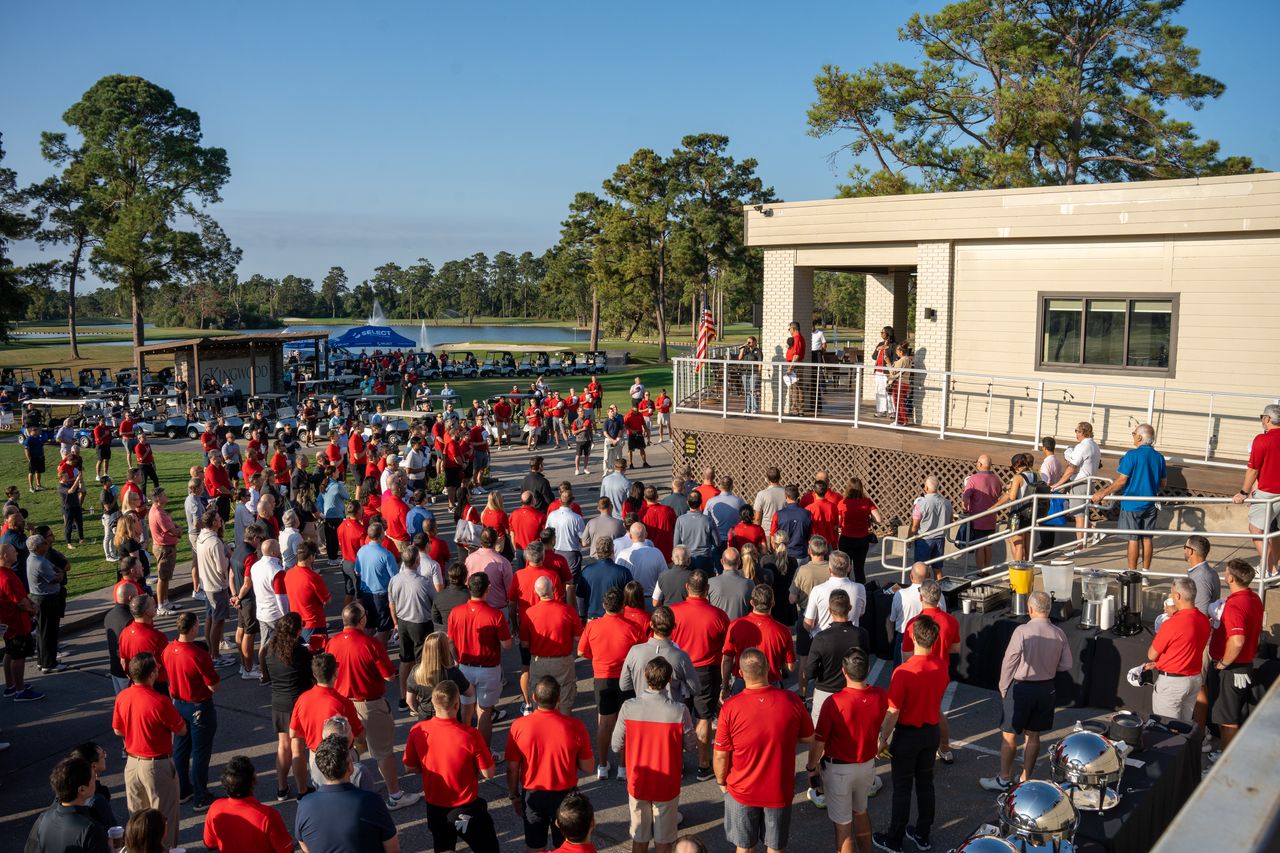
Multi-day conference photography falls apart for one reason more than any other: day two never matches day one.
If you want conference photography coverage that feels cohesive from the opening keynote to the final breakout, you need a system that treats the event like a production, not a casual photoshoot.
Why Multi-Day Conference Coverage Breaks Without a System
The real risk is inconsistency across days. Lighting changes, stages get reconfigured, speakers rotate, sponsor walls move, and photographers get tired.
Large-event coverage is closer to production planning than “show up and shoot.” You are managing a run of show, agenda mapping, room assignments, and fast image delivery while staying invisible.
Success usually comes down to four metrics:
- Continuity: the gallery looks like one event, not three separate days.
- Completeness: every priority moment is covered, including branding and sponsors.
- Speed of delivery: same-day selects and daily recaps arrive on time.
- Brand alignment: event branding, sponsor visibility, and executive expectations are protected.
What “Consistency” Means for Conference Photography
Consistency starts with the look. That means stable color, contrast, skin tones, and white balance even when you bounce between ballrooms and breakout rooms.
It also means repeatable framing. Podium angles, sponsor wall shots, audience reactions, and clean room overviews should feel like they came from the same playbook.
Houston-Specific Factors That Affect Continuity
Houston venues can vary wildly inside the same event. A keynote ballroom might be warm tungsten, while the expo hall is cooler industrial light, and breakout rooms are a mix of daylight spill and LEDs.
Heat and humidity matter too, especially when you move between loading docks and strong air conditioning. Lenses can fog, gear can sweat, and you can lose time if you do not plan transitions and storage.
Large-scale conferences at venues like NRG Park or The Woodlands area often require additional planning due to scale, layout, and travel time between spaces.
Pre-Production Planning in Houston: Build the Coverage Plan Like a Production
A strong staffing plan for multi-day conference photography starts before anyone unpacks a camera. Run a kickoff with the planner to confirm goals, priorities, must-have moments, and brand requirements, ideally aligned with a clear event planning timeline.
Then convert the agenda into a day-by-day shot list to support consistent conference photography coverage, with room assignments and time buffers. If the schedule changes, this structure keeps you steady.
Access is the next make-or-break detail. Confirm stage access, press riser rules, backstage movement, VIP areas, and exhibitor floor restrictions before doors open.
Create a Day-by-Day Shot List (Not One Master List)
A single master list sounds organized, but it usually causes gaps. Multi-day events need deliverables separated by day so nobody “assumes it’s covered tomorrow.”
A practical day-by-day shot list often breaks down like this:
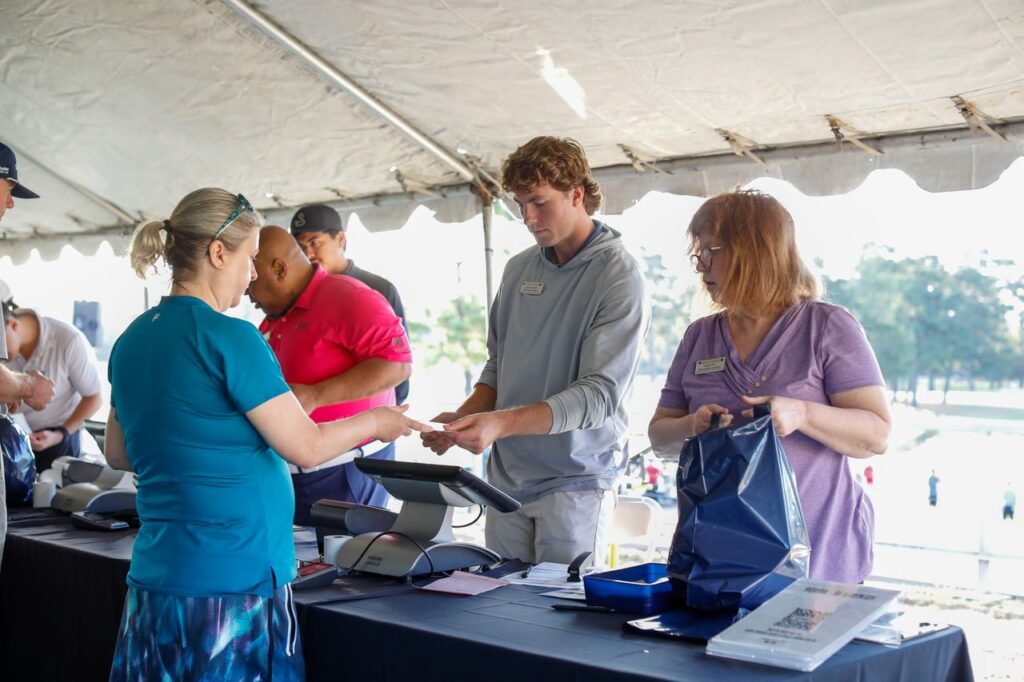
- Day 1: registration, opening keynote coverage, sponsor wall, expo floor coverage, welcome reception
- Day 2: breakout session coverage, brand activations, attendee headshots, executive moments, evening networking reception photography
- Day 3: final keynotes, awards, closing sessions, last-chance sponsor needs, teardown context
Assign “coverage owners” per room. One lead photographer can oversee priorities, but each active space needs a named shooter to avoid duplicates and missed sessions.
Venue Walkthrough and Lighting Notes
A walkthrough is where you prevent problems you cannot fix later. Scout stage lighting angles, LED wall brightness, uplighting colors, and where the step-and-repeat or sponsor wall will actually sit.
Also identify clean backgrounds for repeatable speaker portraits. If you know the best two angles in each room, you can keep framing consistent even when the run of show shifts.
Houston Venues to Anticipate in Planning
For large-footprint events, the George R. Brown Convention Center (GRB) is a common hub. The scale is great for conventions, but it increases the need for tight room assignments and travel buffers.
Downtown Houston logistics can also affect coverage. Parking, loading access, and walking time near Discovery Green can quietly steal 20 minutes at the worst moment if you do not plan for it.
Team, Roles, and Gear: Scaling Up for Large Houston Conferences
Staffing is driven by concurrency and deliverables, not just attendee count. If you have three breakout tracks plus an expo floor and VIP needs, one corporate event photographer cannot cover it all.
Define roles clearly so nobody guesses in the moment. A typical team might include a lead photographer, a second shooter for breakouts, an expo-focused shooter for trade show photography, a VIP shooter for executive coverage, and a runner or digital tech.
Standardize gear and settings across shooters. Convention photography looks messy when each person edits differently or shoots different color temperature strategies.
The Role of a Digital Tech and On-Site Editor
A digital tech or on-site editor can make a huge difference during multi-day conference photography. Instead of waiting until the event ends, images are ingested, backed up to SSD storage, and lightly edited in real time. This allows for faster delivery, consistent color grading, and immediate support for marketing teams who need content during the event.
How Many Photographers Do You Need?
A simple concurrency rule works well: one shooter per active priority room plus one floater. The floater covers sponsor activations, signage, and the moments that pop up between sessions.
Also plan coverage for:
- Sponsor and partner obligations (logos, booths, product demos)
- Attendee candids that show energy and participation
- Executive arrivals, green room moments, and client meet-and-greets
Gear Checklist for Multi-Day Reliability
Multi-day reliability is about redundancy, not fancy upgrades. If a camera fails on day two, you cannot “reschedule the keynote.”
A dependable kit usually includes:
- Redundant camera bodies with dual card slots
- Two flashes, extra triggers, and backup cables
- A short zoom and a long zoom, plus a fast prime for low light
- Labeled batteries, a charging station, and a power strip plan
- High-capacity cards and SSD backups for end-of-day offloads
A backup plan should cover more than gear. It should include what happens if a shooter gets sick, a room changes, or the schedule compresses.
Standardize Camera Settings Across the Team
Agree on baseline Kelvin temperature ranges per room for multi-day conference photography. You can still shoot RAW, but starting from similar white balance targets reduces editing time and keeps lighting consistency.
For previews and same-day selects, align on a consistent picture profile so quick exports look unified. Also standardize focal lengths for key deliverables like keynotes, headshots, and sponsor wall photos so conference photography coverage stays predictable for marketing.
On-Site Workflow: Stay Aligned With Agenda Changes and AV Teams
On-site success comes from communication, not heroics. Coordinate with the AV team coordination chain and stage managers so you do not block sightlines or miss cues.
Build a fast loop with planners for speaker swaps and room changes. A group text or radio plan beats chasing updates in hallways.
Capture the full story, not just people at microphones. Context shots, signage, wayfinding, sponsor logos, and attendee experience are what make post-event galleries useful.
Tethering can also be used in controlled environments like headshot stations or sponsor activations. It allows instant review, faster approvals, and consistent output across multiple days.
AV Coordination That Protects Photo Quality
LED screens can cause banding and screen flicker. Shutter strategy matters, especially with an LED wall behind a speaker.
Mixed lighting is also common on stages. You might have warm spots on the speaker, cool house lights, and saturated up-lights that shift skin tones, so you need a plan for color grading that keeps people looking natural.
Managing shutter speed strategy is critical when shooting LED walls to avoid banding and flicker issues that can ruin otherwise strong keynote images.
Coverage Priorities for Large Conferences
Keynotes need more than a tight speaker shot. A complete keynote coverage set usually includes the speaker, audience reactions, wide establishing frames, and sponsor moments on stage.
Expo floor coverage should show real interaction. Booth demos, lead scanning, product handling, and branded assets are what sponsors actually use after the event.
Continuity Across Days: Lighting, Branding, and Editing Consistency
Continuity in multi-day conference photography is the difference between “we hired a photographer” and “we documented the event.” It is also what makes a multi-day gallery feel professional.
Track branding variations daily. Sponsor walls, step-and-repeat layouts, stage screens, and signage can change between morning and afternoon, so you need to notice and adjust.
A repeatable culling workflow matters when you have thousands of images. If you do not sort and tag daily, day three becomes a backlog you cannot escape.
Instead of relying on auto white balance, experienced photographers often work within controlled Kelvin temperature ranges depending on the room. This helps maintain consistent skin tones and reduces editing time across multi-day conference photography coverage.
Create a “Conference Look” and Lock It In
Set a reference edit from day one. That reference edit becomes the standard for skin tones, contrast, and overall color so day two does not drift.
Keep crops and horizons consistent on stage and podium images. Small differences add up fast when marketing lays photos side-by-side in a recap deck.
File Naming and Metadata for Multi-Day Searchability
A file naming convention saves hours later. Name by day, room, session, and speaker so someone can find “Day2 Breakout B Speaker” without opening 400 thumbnails.
Use metadata thoughtfully. Embedding session titles and sponsor names in IPTC fields can speed retrieval, as long as it matches how the marketing team searches.
Fast Turnaround Deliverables: Same-Day Selects and Final Galleries
Turnaround time should be defined before the event. If the team expects same-day selects but you planned next-week delivery, everyone loses.
A clear tiered plan works well:
- Real-time or same-day selects for social and press
- Daily recap gallery for internal updates and sponsor requests
- Post-event gallery with full coverage, organized and searchable
Also define a review path. One approver beats five people sending conflicting “quick tweaks” at midnight.
Same-Day Social Workflow
Same-day selects require speed and consistency. That usually means tethering or rapid ingest to a laptop, quick cull, lightweight edits, and fast export presets.
Deliver resized images that are ready for marketing. Consistent color, straight horizons, and clean crops matter more than heavy retouching.
Gallery Structure for Large Events
Organize galleries the way teams work. Most corporate teams want folders by day and track, not one massive dump.
A clean structure often looks like:
- Day 1: keynotes, registration, expo, reception
- Day 2: breakouts, expo, brand activations, headshots
- Day 3: closing sessions, awards, final expo, highlights
Include a highlights folder for executives and sponsors. It reduces the “can you pull 20 favorites” request that always comes right after delivery.
Budgeting and Booking for Multi-Day Conference Photography in Houston
Cost is driven by complexity, not just hours. Days, concurrent rooms, delivery speed, and staffing needs matter as much as time on-site.
Common pricing models include day rate, hourly rate, per-deliverable packages, and retainers for annual conferences. Usage rights and licensing can also change the number, especially if sponsors want paid media usage.
Booking windows matter in Houston. Large conventions around Downtown Houston and major venue calendars can tighten availability, so earlier holds reduce risk.
Line Items Planners Forget to Budget For
Some costs show up only after the first schedule draft. Planning for them upfront prevents awkward surprises.
Common forgotten line items include:
- Additional shooters, a digital tech, or an on-site editor
- Overtime buffers for sessions that run long
- Usage/licensing needs for sponsors, partners, and paid campaigns
Questions to Ask Before You Sign a Photographer
Ask how they protect continuity across days and across multiple shooters. You want to hear specifics about settings, reference edits, and workflow, not vague promises.
Also ask about their backup plan. Redundant camera bodies are part of it, but so is staffing coverage if someone is delayed or a room split happens at the last minute.
Common Mistakes That Cause Inconsistent Conference Photo Coverage
The biggest mistake is skipping a day-by-day shot list. That is how teams miss sponsors, signage, or a key breakout that mattered more than anyone realized.
Another common failure is ignoring AV team coordination. That leads to poor stage angles, blown LED screens, and flicker issues that could have been prevented with a quick tech check.
Editing inconsistency is the quiet killer. If day one is warm and punchy and day two is cool and flat, the full gallery feels disjointed and unprofessional.
Mistakes That Hurt Sponsors and Marketing Teams Most
Sponsors need clean branding. If logos are cropped, blurred, or blocked, the images lose value fast.
Late or unorganized galleries also create problems. Marketing cannot publish recaps, sponsors cannot post highlights, and the event loses momentum while people still care.
Mistakes That Burn Out the Photography Team
Understaffing multi-track agendas in multi-day conference photography forces constant sprinting. That is when photographers skip breaks, miss moments, and make avoidable technical mistakes.
No ingest and backup cadence creates end-of-day bottlenecks. A simple nightly routine for offload, verify, and duplicate backups prevents the 2:00 a.m. panic.
FAQ
What is the 20-60-20 rule in photography?
It is a simple event storytelling guideline. Aim for about 20% wide establishing shots, 60% mid-range moments, and 20% tight details so the gallery shows scale, emotion, and texture.
For conference photography, that usually means wide room overviews, mid shots of speakers and attendee interactions, and tight shots of hands-on demos, badges, signage, and branded details.
How much to charge for 3 hours of event photography?
It depends on your market, experience, and what is included. The biggest price drivers are editing time, usage rights or licensing, and whether fast turnaround or multiple shooters are required.
For planners, the better question is what you need delivered in those three hours. Three hours with same-day selects and a tight shot list is a different job than three hours with a week-later gallery.
How many photographers are making over $300,000 a year?
A small percentage. That income usually comes from high-volume commercial work, strong sales systems, recurring corporate clients, and a team-based model that scales beyond one person shooting everything.
It is less about one-off gigs and more about repeatable systems, predictable delivery, and long-term client relationships.
What is the 50 50 rule in photography?
People use it informally to keep variety balanced. One common version is roughly half people-focused images and half context, detail, and branding shots.
For corporate event photography and trade show photography, that balance helps marketing. They need faces and energy, but they also need event branding, sponsor visibility, and environment shots that prove scale.
A Practical Next Step If You’re Planning a Multi-Day Houston Conference
If you are building a multi-day event, treat photography like part of the production plan. A clear run of show, agenda mapping, room assignments, and a delivery timeline will protect continuity more than any camera upgrade.
If you want to talk through coverage needs for GRB events, Downtown Houston hotel conferences, or multi-track agendas, Pixel Studio Productions can help you map deliverables, staffing, and turnaround before the first badge prints.
You can also get a feel for how people experience hiring a photographer by reading what others notice first, like in this piece on how friends tend to judge your choice of photographer and the follow-up on the assumptions people make about photographers in general.
For a more personal angle on what photographers look for in people, these reflections are worth a read: what shapes the way you see people and what drives your perspective from the inside out.